The useful part first
Key takeaways
- If multiple drains are slow or backing up, think shared sewer line first, not just one fixture.
- Sewer rodding can remove common blockages, but it does not repair damaged pipe walls or separated joints.
- A camera inspection is useful when the cause, condition, or repeat pattern needs to be seen inside the line.
- For a backup event, stop using water until the issue is evaluated so the overflow does not worsen.
A homeowner usually faces a simple question: is this a fixture clog or a shared sewer problem? When several drains act up together, or wastewater starts coming back through a low fixture, sewer rodding is often the service to ask about first.
In Harvard, the practical next step is to describe what you’re seeing, where it shows up, and whether the issue seems limited to one drain or spread across the house. If you need to compare that with related options, the guides on fixture clogs versus main line problems and sewer backups help narrow the picture before the contractor arrives.
Sewer rodding is a mechanical clearing service for the line that carries wastewater away from the building. It is not the same thing as fixing a broken pipe, and it is not the same as clearing a single sink trap or tub drain.
The main decision is whether the line needs clearing, inspection, or a different method after access is opened. The contractor can talk through that on site after hearing the symptoms and seeing the cleanout or other access point.
What sewer rodding does in a Harvard home
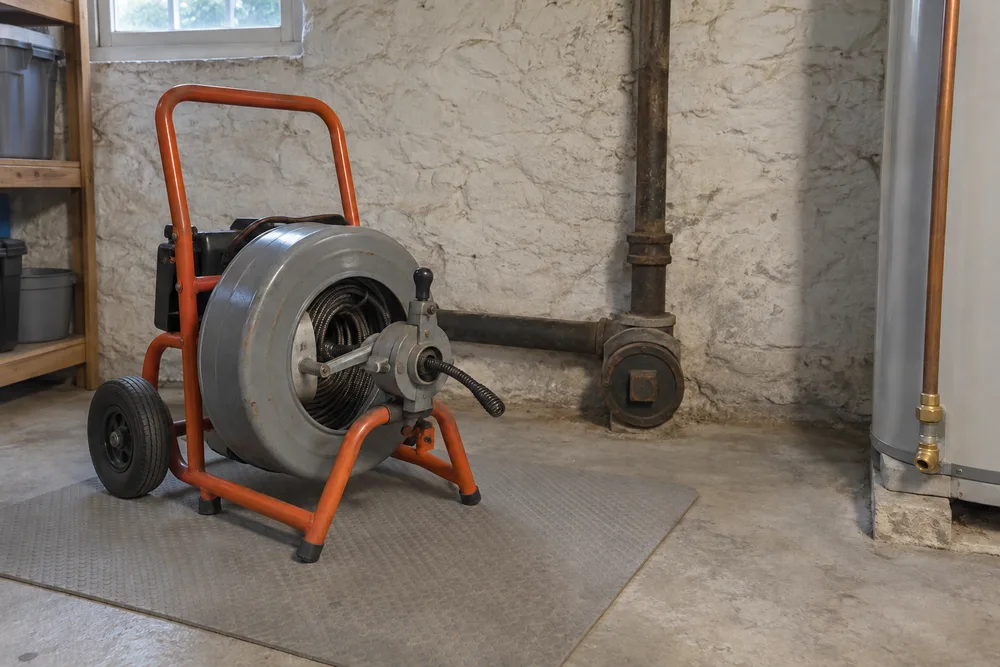
Sewer rodding uses a mechanical cable and cutting or clearing head to break through or pull back obstructions in a sewer line. That can include paper buildup, roots that have intruded into the line, or compacted debris that a plunger or household drain cleaner will not reach. It is a clearing method, not a cure-all.
For a homeowner, the useful question is not whether the tool is impressive. It is whether the blockage is in a line that serves the whole house, whether there is safe access to the sewer, and whether the blockage seems like the type that mechanical clearing can move. If the problem keeps coming back, the contractor may recommend a closer look with a camera inspection instead of repeating the same clearing step blindly.
- Useful for main sewer blockages and repeat slowdowns
- Not meant for a single sink basket, pop-up, or tub stopper issue
- May be followed by inspection if the blockage returns or looks unusual
- Works best when the line can be accessed safely through an existing opening
When it makes sense
Rodding makes sense when wastewater is slow to leave the building, when several drains are affected, or when a past cleaning helped only for a short time. It also makes sense when a contractor needs to clear the line before a camera can travel far enough to show what is happening inside the pipe.
When it may not be enough
If the pipe has a break, offset joint, or heavy interior deterioration, clearing may restore flow only temporarily. In that case, the next conversation is usually about what the camera saw, not about repeating the same cable run as if the pipe were new.
How to tell you may need main line clearing
A single slow bathroom sink does not usually point to the main sewer. A toilet that overflows when another fixture drains, a floor drain that burps, or wastewater that rises in a lower fixture usually points in a different direction. Shared symptoms matter more than one noisy drain.
For example, suppose the first floor toilet flushes normally but the basement floor drain starts gurgling, then wastewater appears in the tub after the washing machine runs. That pattern suggests a shared line problem more than a local tub clog. A contractor would likely discuss sewer rodding first, then decide whether inspection or another method is needed after access is opened.
You do not need to diagnose the exact cause before calling. It helps to note which fixtures are affected, what happens first, and whether the issue is constant or triggered by a specific use pattern. The more concrete the description, the easier it is to send the right kind of contractor through the referral process.
- Multiple fixtures acting up together point toward a shared line
- A low fixture backing up is more concerning than a single slow sink
- Gurgling, rising water, and repeated returns after flushing are useful clues
- One clear description beats a long list of guesses
What to stop doing during an active backup
If wastewater is coming back up, pause water use right away. Do not keep flushing toilets, running laundry, or cycling dishwater just to watch the problem repeat. That only adds more water to a line that is already struggling and can worsen the mess before the contractor arrives.
Water backing up now?
Pause water use and call. Emergency calls are accepted 24/7.
What the main options look like in practice
Different services solve different parts of the same problem. Sewer rodding clears an obstruction in the line. Hydro jetting uses high-pressure water for a more aggressive clean. A camera inspection looks inside the pipe to see condition and location. The best choice depends on access, the symptom pattern, and whether the line seems blocked or damaged.
A quick comparison
The table below keeps the choices separate so you can describe the job clearly when you call.
Sewer service comparison
| Service | Best for | What it does | Common limitation |
|---|---|---|---|
| Sewer rodding | Mechanical blockage in the main line | Uses a cable to clear or break through an obstruction | Does not repair damaged pipe |
| Hydro jetting | Heavy buildup or cleanup after certain blockages | Uses high-pressure water to scour the line | May not be the first choice for every pipe condition |
| Camera inspection | Repeat problems, unknown cause, or condition checks | Shows the inside of the line | Does not remove a clog by itself |
Questions homeowners ask
Is sewer rodding the same as snaking?
People use those terms interchangeably in conversation. On the service side, the key point is that a mechanical cable is used to clear the line. The important part is describing the symptom pattern, not the label you choose.
Can rodding fix roots in the sewer line?
It can often clear root intrusion enough to restore flow, but that does not mean the roots or the entry point are gone for good. If roots keep returning, the contractor may suggest an inspection to see where they are getting in.
What if only one drain is slow?
That usually points to a fixture or branch drain problem rather than the main sewer. A sink, tub, or toilet issue may call for a different drain-clearing service instead of main line rodding.
Should I keep testing the line before I call?
No. If wastewater is backing up, stop using water and let the contractor evaluate the line as it is. Repeating the same fixture use can spread the backup and make the job messier.
Who handles the work after I submit a request?
Plumbers 911 operated by Plumbers Local 130 refers the request to participating contractors who price and perform the work. The contractor that accepts the job will confirm the details with you and handle the service directly.
Local resources
Use these official resources for municipal or utility information. They are separate from Plumbers 911.